The Three-Dollar Time Capsule: Why Strangers Are Mailing One-Line Postcards
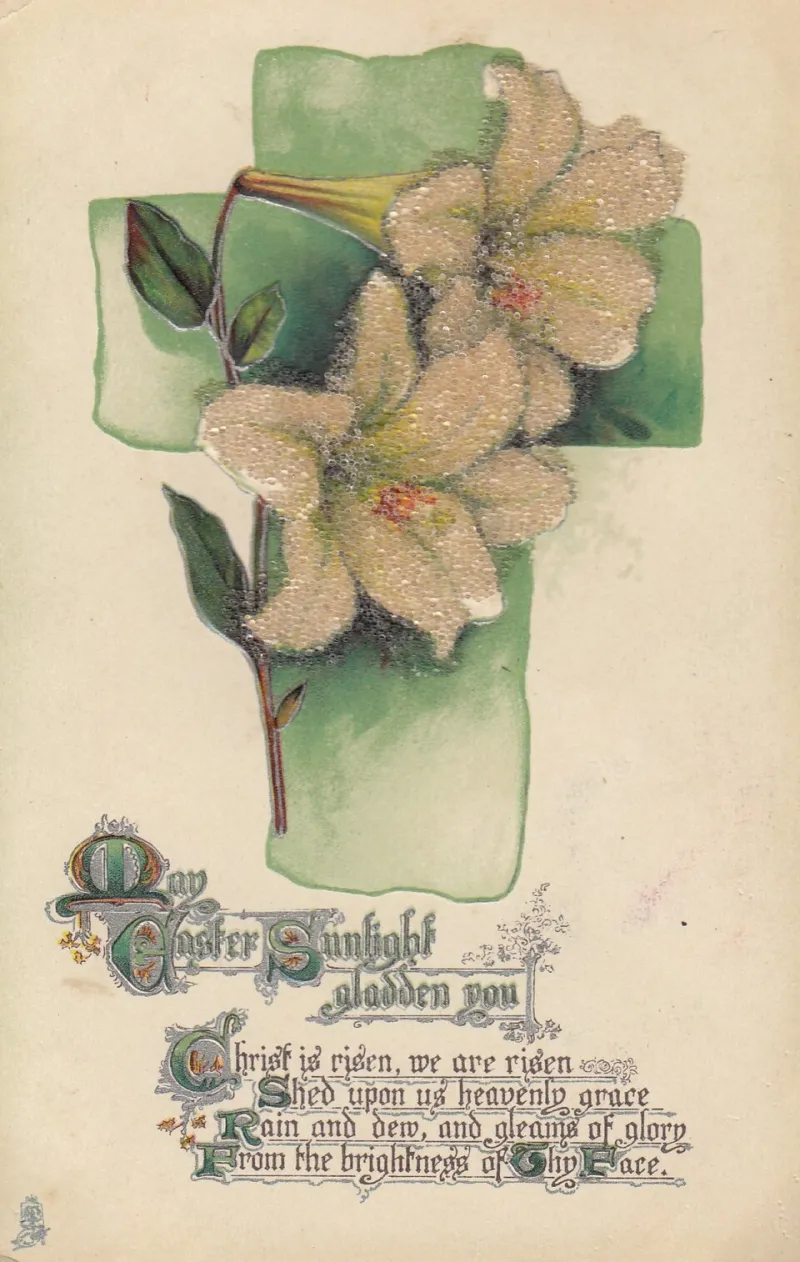
Photo: Raphael Tuck and Sons, Public domain, via Wikimedia Commons
There is a particular kind of thrill in checking the mailbox and finding something that is not a bill, a coupon, or a credit-card offer. For a growing number of Americans, that thrill costs about three dollars and arrives with exactly one sentence on it.
Welcome to the one-line postcard swap: a loose network of strangers who mail each other single-sentence postcards through small forums, library drop boxes, and themed exchanges. No app. No algorithm. No pressure to reply with a paragraph. Just a card, a stamp, and a thought you had to edit down to its most interesting version.
The One-Sentence Rule Is the Whole Personality
The constraint is the entire hobby. You cannot write a long update about your week. You cannot ask a list of questions. You get one sentence. That sentence can be a confession, a weather report, a joke, a tiny observation, or something you would never post publicly because it is too small and too specific.
The postcard itself can be anything: a vintage card from a thrift store, a tourist card from a town you drove through, a homemade collage, a cereal box cut to size, a photo of a parking lot. The point is not the card. The point is the discipline of saying one thing well.
How the Swap Actually Works
Most of these swaps live in low-key corners of the internet: hobby forums, Discord servers, Reddit threads, and email lists. You sign up, get paired with a name and address, send a card, and receive one from someone else. Some swaps are blind. Some are round-robin. Some are organized by theme.
The themes are where things get fun. Recent swaps have included worst roadside attraction, your local grocery store, a color you hate, the view from your kitchen window, and postcards that look like they were bought in 1978. Library drop boxes are another entry point. A few libraries now set out a box where you can leave a one-sentence postcard and take one someone else left. Staff redistribute the rest.
Cost is part of the appeal. A postcard stamp plus a cheap card usually lands under three dollars. You do not need a subscription, a profile, or a follower count. You need a pen and a willingness to be briefly interesting.
Etiquette for Mailing a Stranger
The etiquette is simple: be brief, be kind, be a little weird. Do not send anything creepy, political, or overly personal unless the swap theme invites it. Write legibly. Use a real postcard stamp so it does not arrive postage-due. Include a return address only if you are comfortable doing so.
Do not expect a reply. The exchange is the reply. If you get a dud, do not post it publicly for laughs. The whole system runs on low stakes and good faith. And if you are the one sending a card, remember that a single sentence can still be generous. Something like I hope your tomatoes survived is a whole small friendship.
The Weird Ones
Ask anyone who has been in the hobby for a few months and they will have a story. One person received a postcard of a Hampton Inn breakfast area with the sentence The waffle iron changed my life. Another got a card made from a cereal box with I ran out of cards, which is either lazy or perfect. One sender mailed a photo of a gas station in Kansas with the line I hope your tomatoes survived. Another sent a picture of a grandmother's kitchen with This is where the good Tupperware lives.
The weirdest one I heard about was a blank postcard with a single sentence: I forgot what I was going to say. That is the energy. The hobby is not trying to be profound. It is trying to be small on purpose.
Why Slow Mail Feels Refreshing in 2026
Social media is fast, public, and performative. A postcard is slow, private, and low-stakes. You cannot refresh it. There are no likes, no replies, no quote-posts. The algorithm does not know you mailed it. The constraint forces a different kind of attention.
In a year when so much of our communication is optimized for reach, a one-sentence postcard is optimized for nothing. It is a tiny vacation from the feed. It arrives when it arrives. You read it once. You maybe put it on the fridge. That is enough.
How to Join Without Overthinking It
Start small. Check whether a local library or community center has a postcard drop box. Join a themed swap with a deadline. Buy a sheet of postcard stamps. Pick up cheap cards at thrift stores, visitor centers, estate sales, and the free bins at the front of restaurants.
Write one sentence. Send it. Repeat. If you want to start your own swap, pick a narrow theme, set a deadline, collect addresses through a simple form, pair people up, and send a reminder. Keep it to 10 or 20 people. You do not need an app. You need a list and a little patience.
The postcard may be the last analog social network. It is not trying to scale. That is exactly why it works.